

Omnibuy: e-commerce SaaS for Latin America · Case study
E-commerce SaaS · My own product · Mar – Sep 2026
Omnibuy is my own platform to help Latin American merchants sell online with what they actually use: local payments, shipping and invoicing from day one.
Storefront, admin panel, API and documentation, built end to end. It’s currently in private beta.
The idea: Selling online in Latin America, without piecing the store together.
A Peruvian merchant who wants to sell online usually ends up adding apps to charge through local gateways, generate shipping labels or issue tax receipts. The idea behind Omnibuy is for all of that to come built in, in Spanish and with no code.
What I set out to build
- Made for the region Local payment gateways, couriers and electronic invoicing.
- All in one panel From storefront to after-sales, without scattered apps.
- No code Each merchant designs their store with a visual editor.
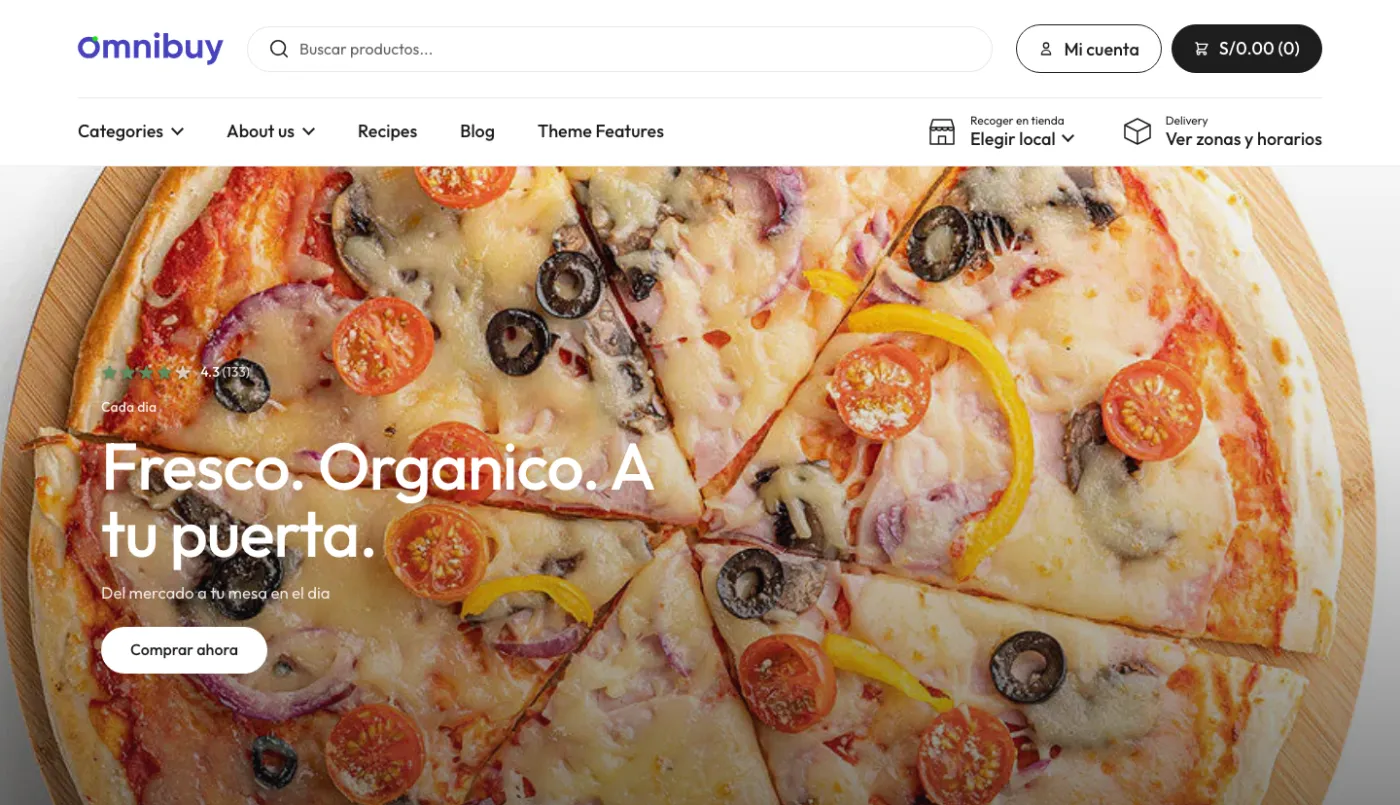
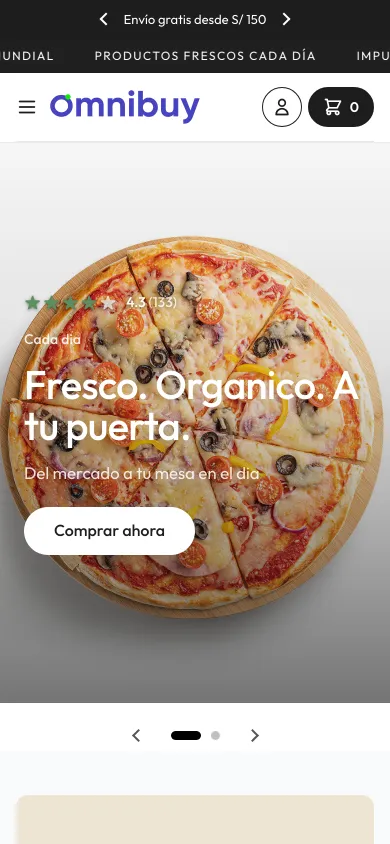
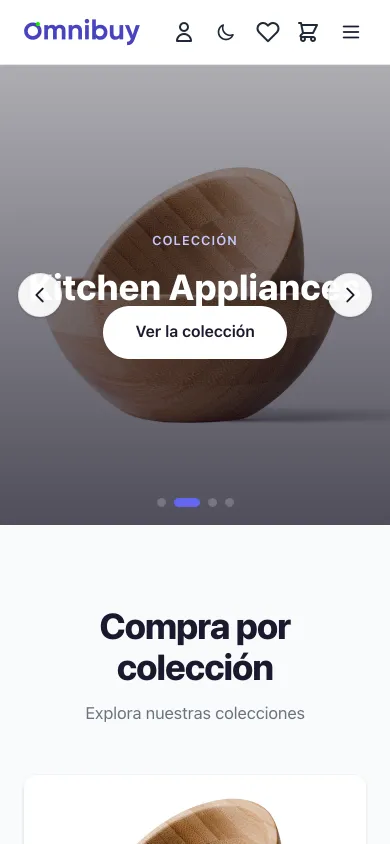
The store: The essentials for selling, built in.
- Visual editor Drag-and-drop sections, live preview, history and drafts before publishing.
- Payments Six integrated gateways with tokenized payments: the store never stores the card.
- Shipping Integration with two Peruvian couriers, from the same panel.
- Electronic invoicing Tax receipts for SUNAT (Peru’s tax authority) issued right from the sale.
- Search Instant catalog search, powered by Meilisearch.
- Virtual try-on An add-on that lets shoppers try the product on before buying.

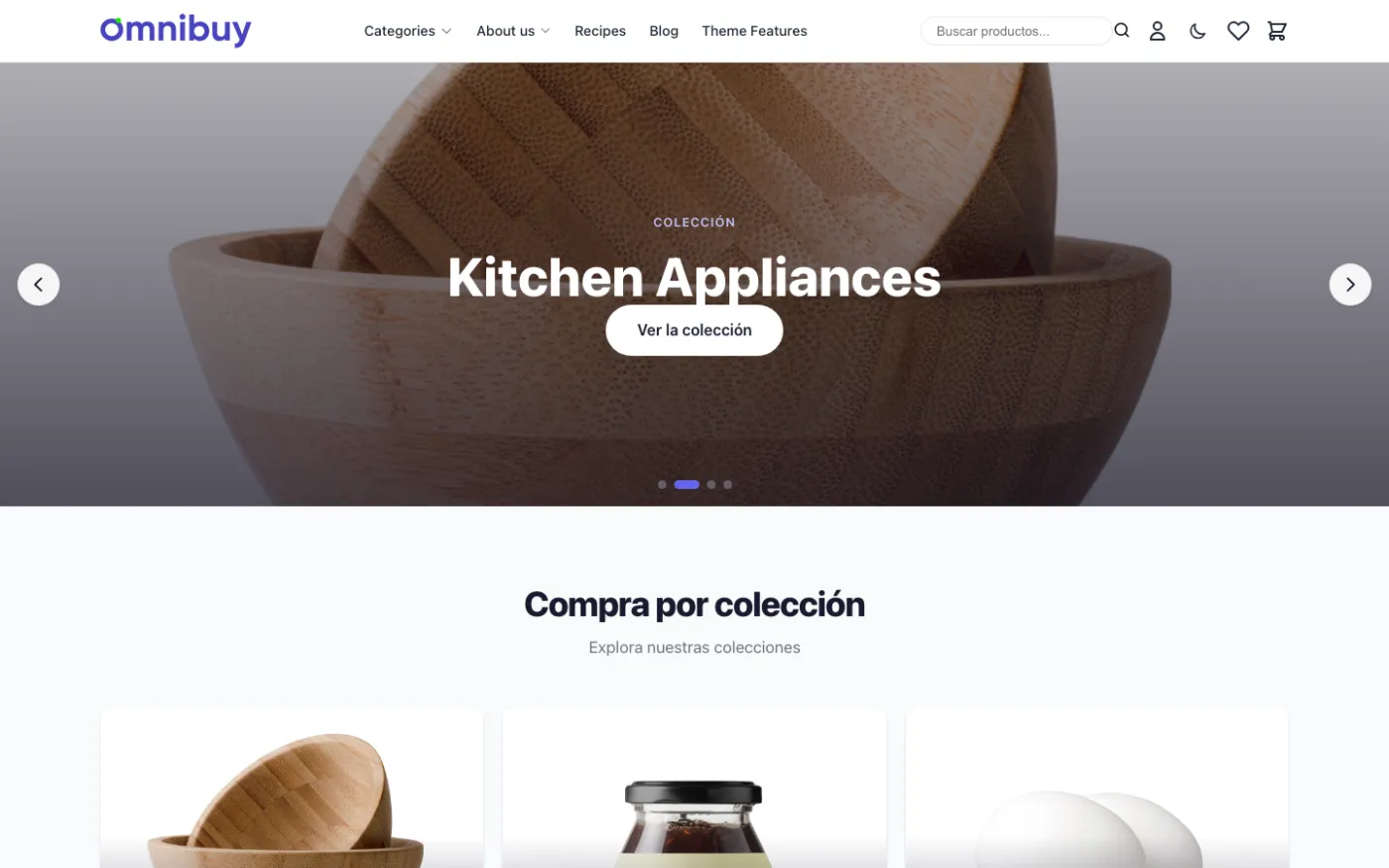
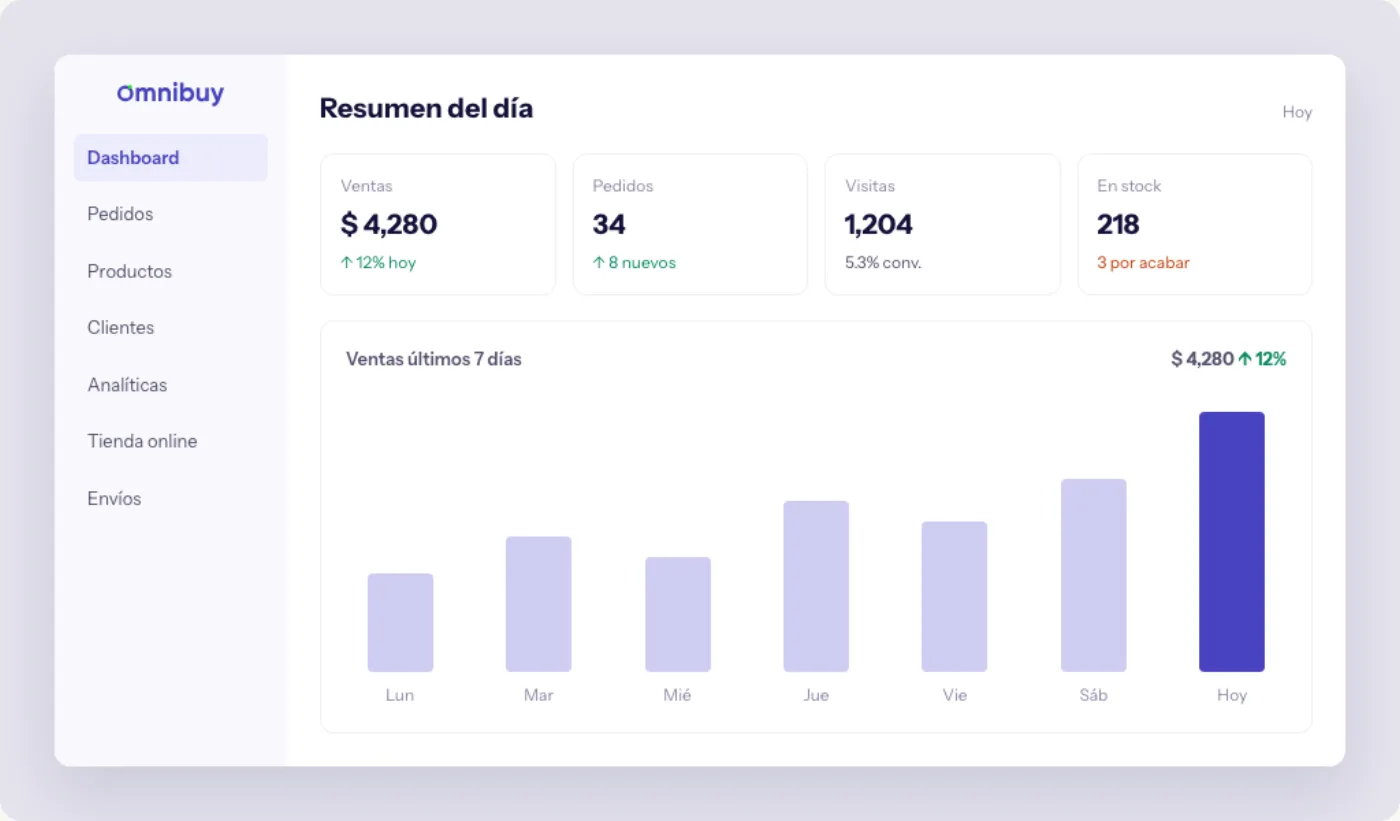
The panel: One panel to run the entire store.
Orders, catalog, customers, inventory, discounts, reviews, customer complaints and reports in one place, with roles for each person on the team.
- What I saw: Every merchant wants a store with its own look. What I did: A visual editor with configurable modules, plus a code editor for those who need it. (4 — themes included)
- What I saw: In Peru, payments go through local gateways. What I did: Each gateway connects from the panel, with the same checkout for all of them. (6 — payment gateways)
- What I saw: Operations continue after the sale. What I did: Inventory by warehouse, point of sale, gift cards, returns and CRM in the same panel. (23 — sections in the panel)
For developers: An open platform, built to integrate.
Beyond the panel, Omnibuy is extensible: anything done by hand can also be automated.
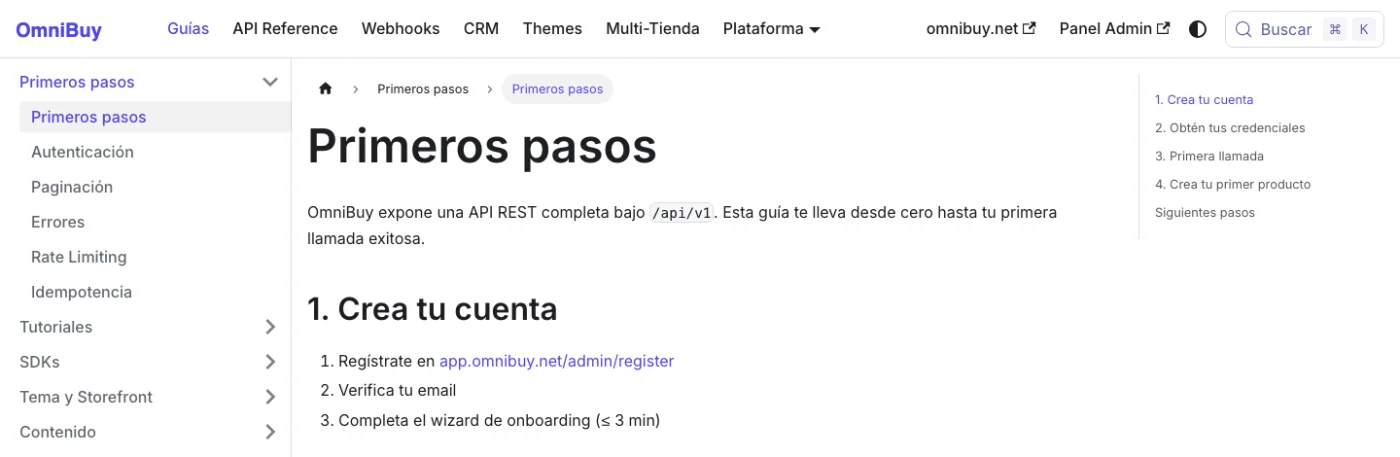
- REST and GraphQL APIs Documented, with token authentication, pagination and idempotency.
- SDKs Official clients in Go and JavaScript.
- Webhooks Order, payment and shipping events to connect other systems.
Quality: Tested with every change.
Building a platform this size on my own means tests have to be part of the review process.
How it’s kept in shape
- Automated tests 3,969 tests passing in the latest progress log.
- End-to-end flows 62 Playwright flows across the panel and the storefront.
- Security An OWASP Top 10 audit and payments with no card data stored.
- Continuous integration Every change goes in through a pull request, with linting and tests.
Technologies: What I built the platform with.
- Backend: Go
- Data: PostgreSQL, Redis, Meilisearch
- Frontend: htmx, Alpine.js, Tailwind CSS
- Infra: Docker, Terraform, Cloudflare, Azure Pipelines
- Docs: Docusaurus
- Quality: Playwright
The result: A complete e-commerce platform, made for Latin America and ready for its first merchants.
- 2,685 — commits in 6 months
- 565 — merged PRs
- 3,969 — automated tests passing
- 6 — integrated payment gateways